
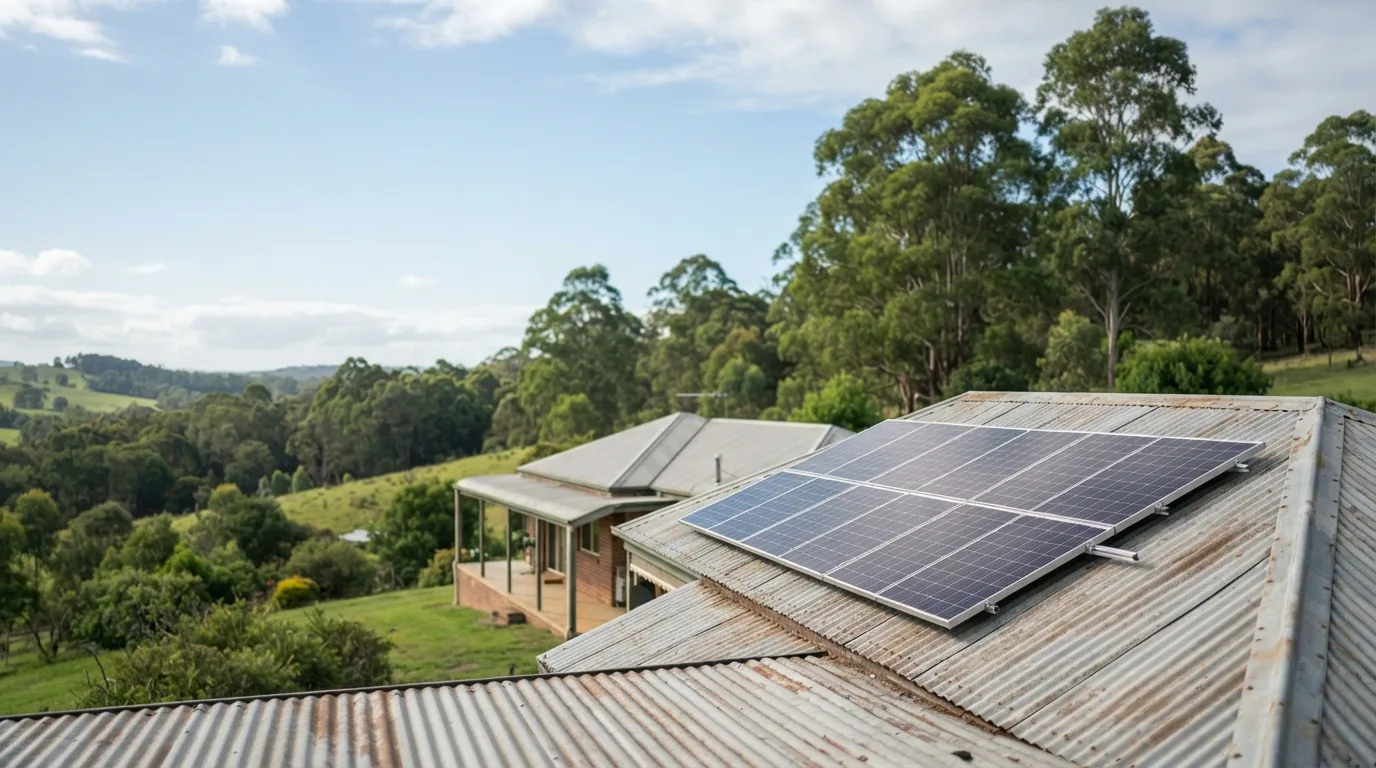
Solar Installers and Electricians in Dorroughby, NSW
Solar panels, batteries, inverters and everyday electrical work for homes, farms and businesses across the Northern Rivers. Call at any hour, tell us what you have or what you want, and you get straight advice about what happens next.
- Phone Answered at Any Hour
- Solar, Batteries and Electrical
- Homes, Farms and Businesses
- Grid-Connected and Off-Grid
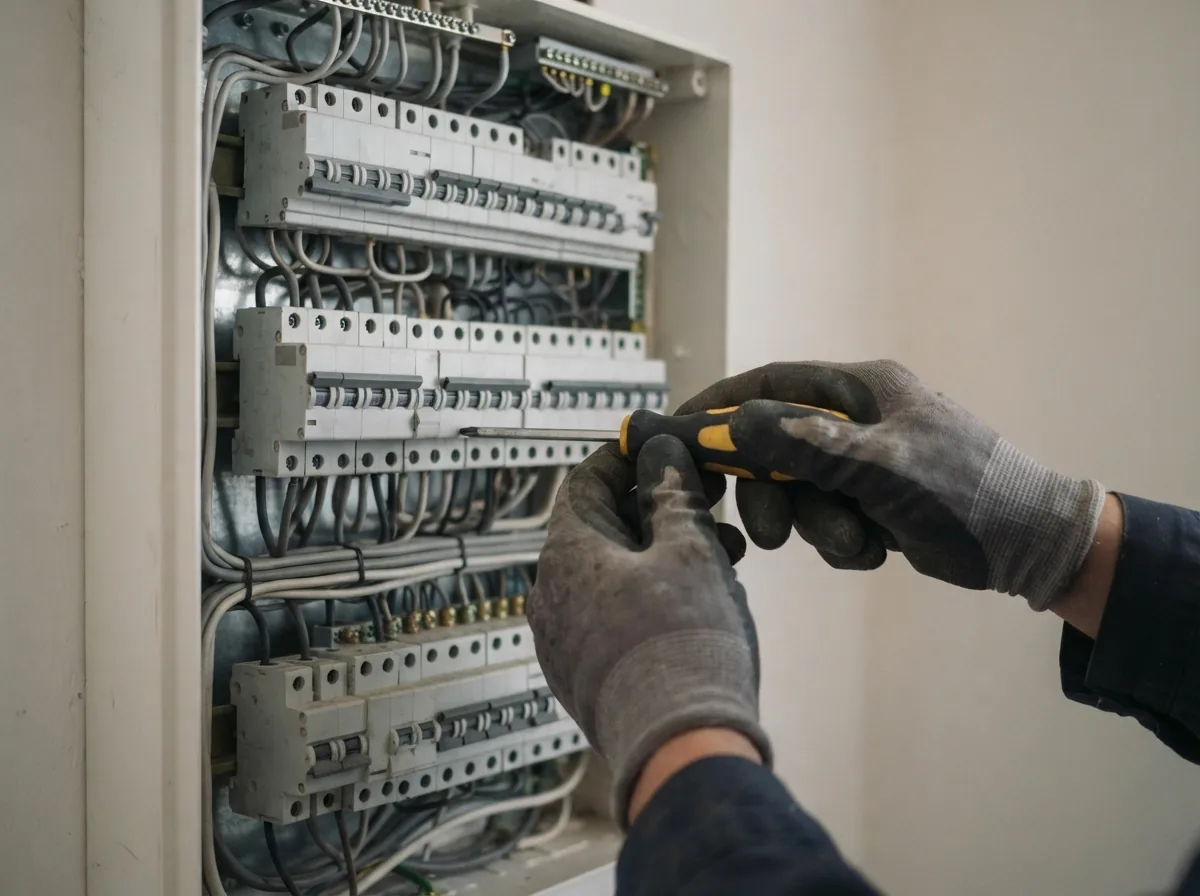
About Harvest Power Solar & Electrical
We are based at Dorroughby, in the hills between Lismore and Byron Bay, and we work across the Northern Rivers. The work covers new solar systems, batteries, inverters, repairs and fault finding, off-grid power for properties with no street connection, and electrical work from power points to switchboards.
Every job starts with finding out what is already there and what you need it to do. That means the roof, the switchboard, the way you use power in a day, and in the hills, how far the equipment sits from the house. You are told the scope of the work before it starts, and when we leave you know what was done and how to read it.
More about Harvest Power Solar & ElectricalWhat we do
Our Solar and Electrical Services in Dorroughby
20 of them. They run from a new roof of panels to a battery, an off-grid power system, a fault that keeps tripping the inverter, or a switchboard that has run out of room. Each one has its own page with what is included and how the job runs.
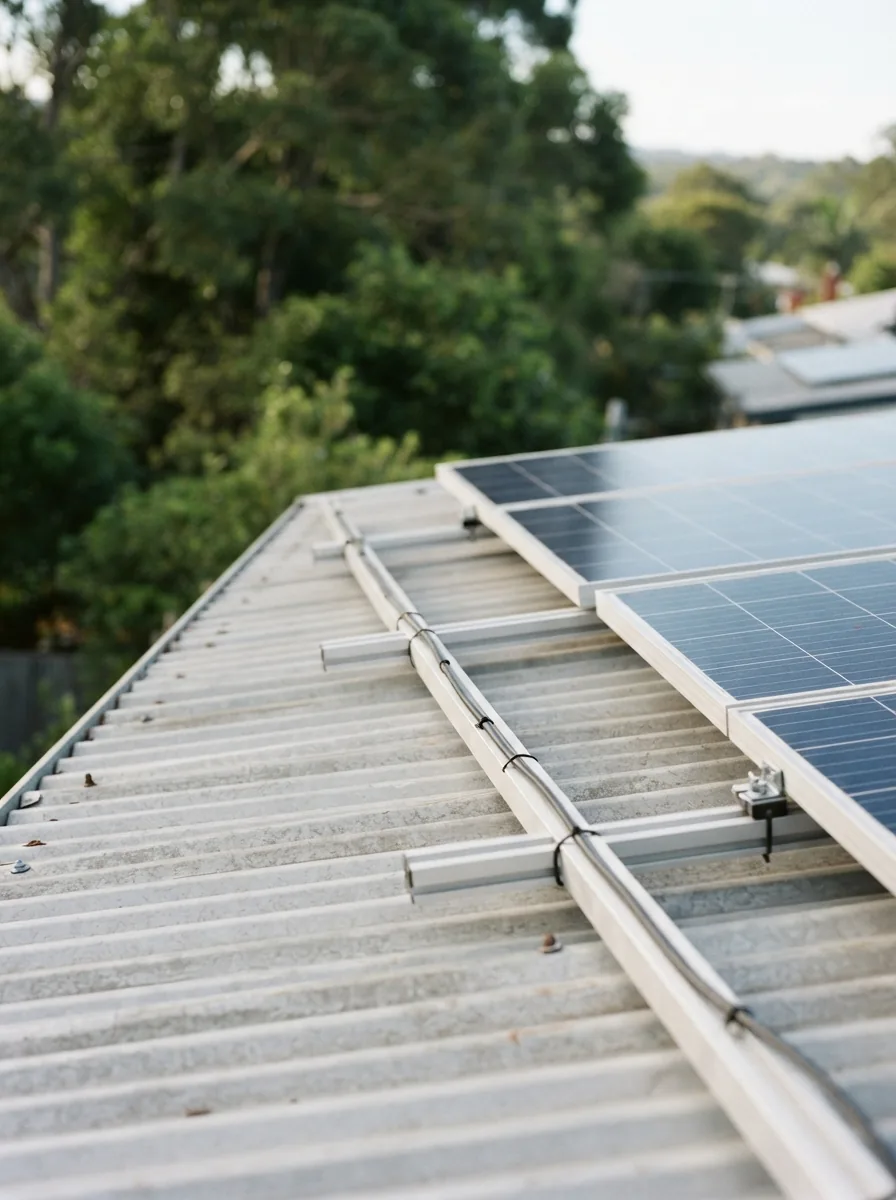
Solar panel installation from roof to switch-on
Roof inspection, mounting rails, panels, cabling, inverter and the connection to your switchboard, all handled as one job across the Northern Rivers.
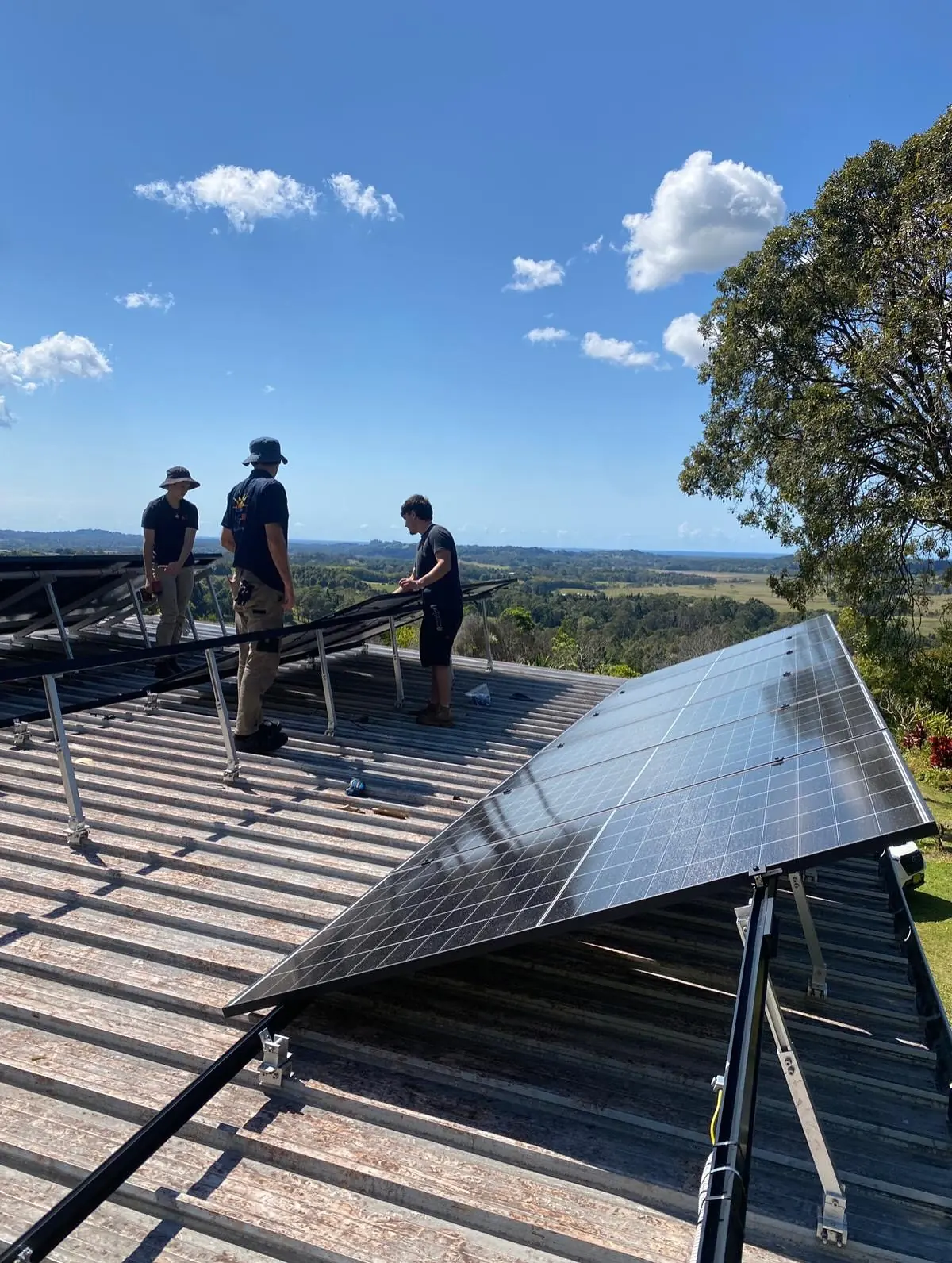
Solar for family homes
Solar for family homes on tin and tile roofs, planned around which way the roof faces, when the household uses power and what the switchboard can take.
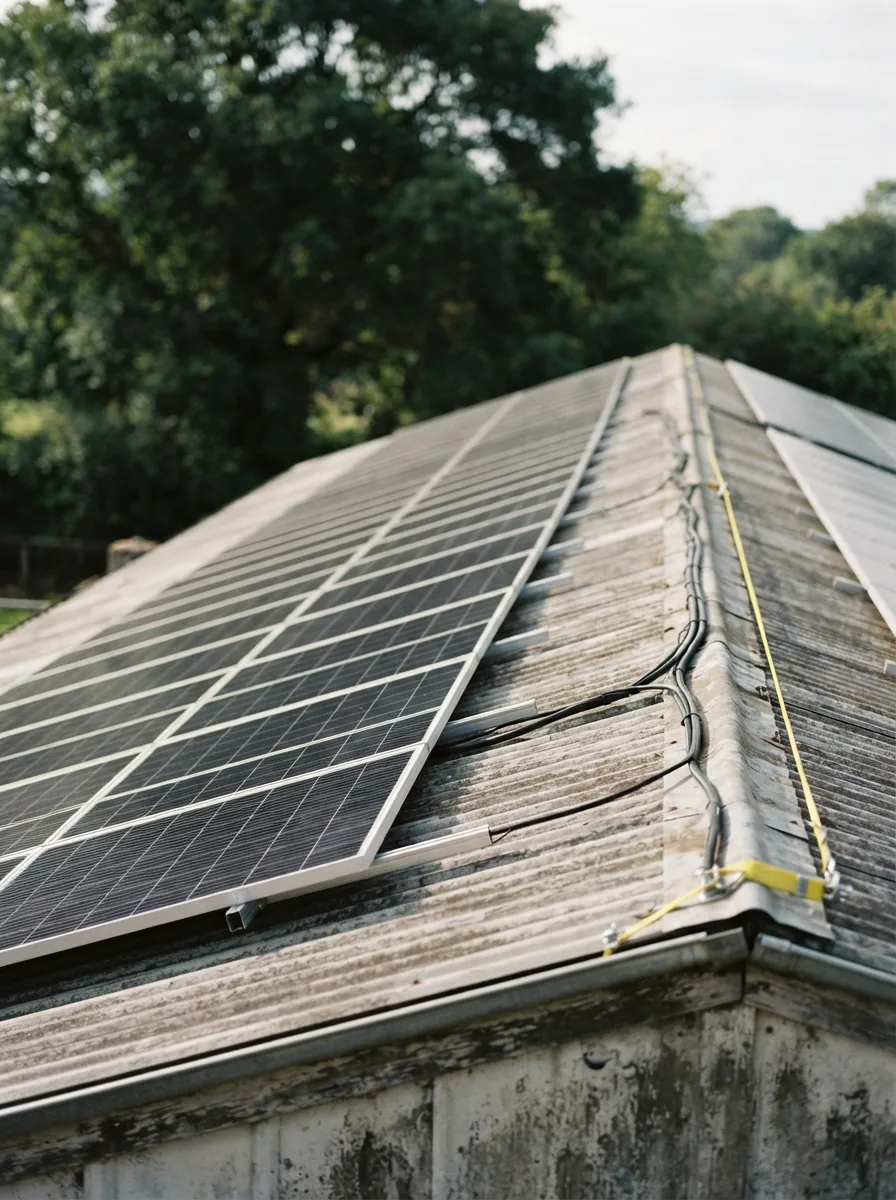
Solar for shops, sheds and farms
Solar for shops, sheds, farms and workshops, planned around daytime use, three-phase supply, larger arrays and safe work at height while you keep trading.
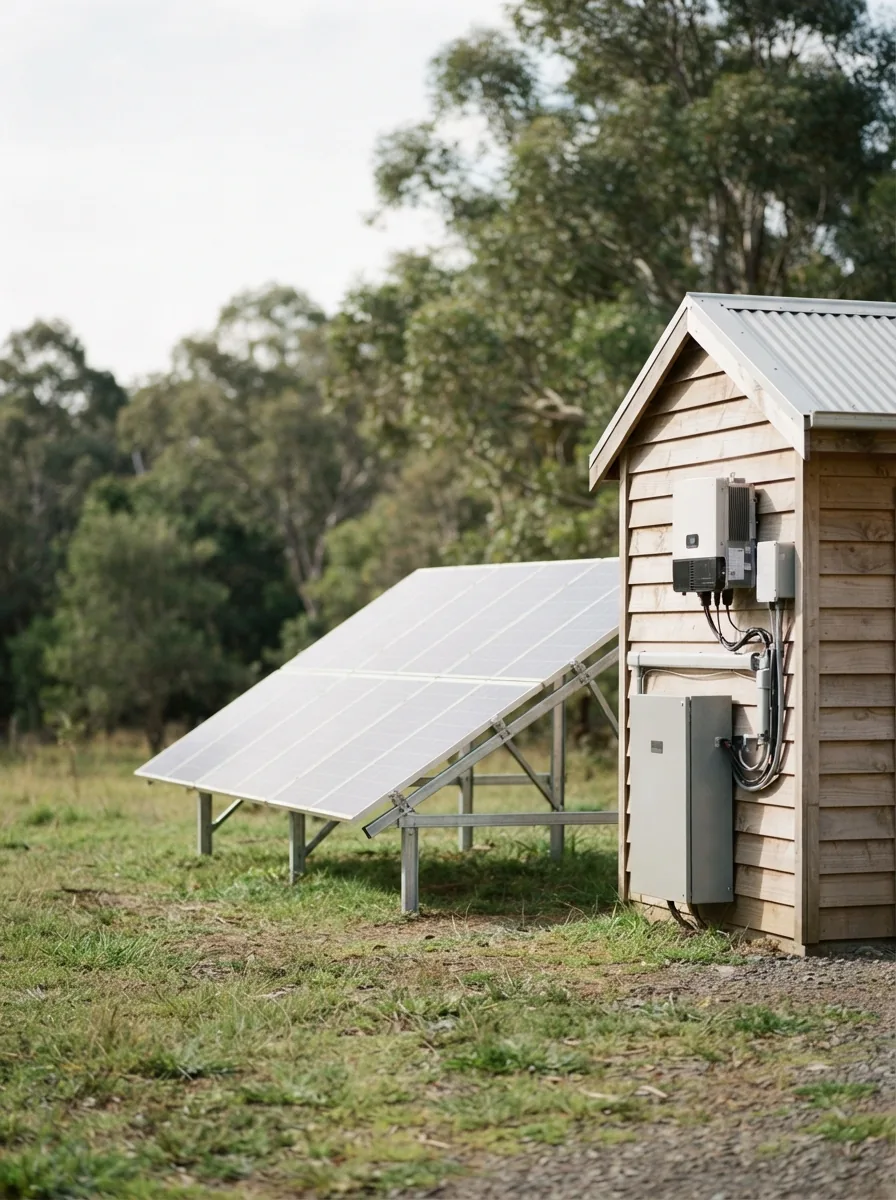
Off-grid solar for a home with no mains
Solar panels, a battery bank and an inverter sized to a house or shed with no street connection, with a generator input for the long cloudy spells.
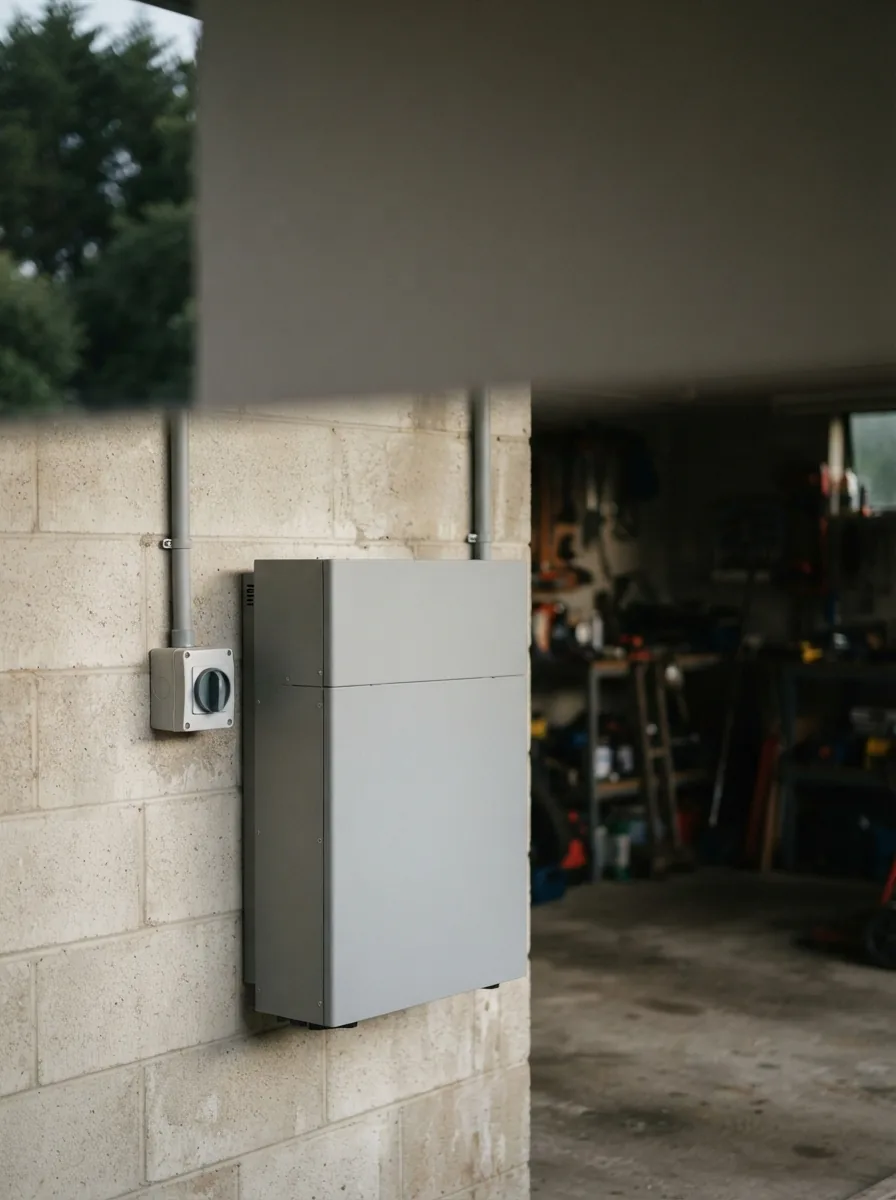
Solar battery installation for homes
Choosing the spot on the wall or floor, fitting the isolators and cabling, connecting to the inverter and showing you the app before we leave.
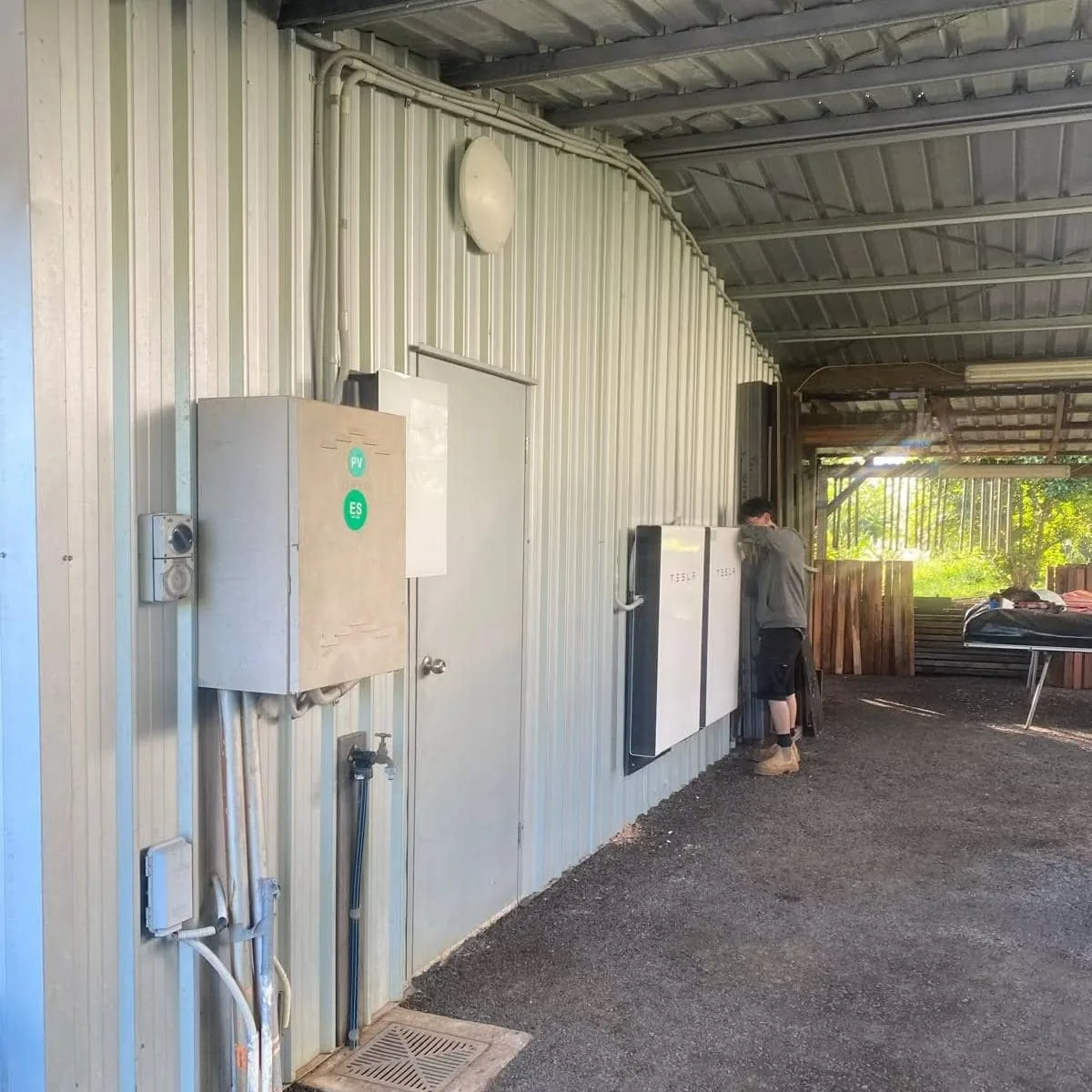
Home battery storage systems
What a battery runs in the evening, what a backup circuit is, which circuits go on it, and how to think about the size of battery worth asking about.
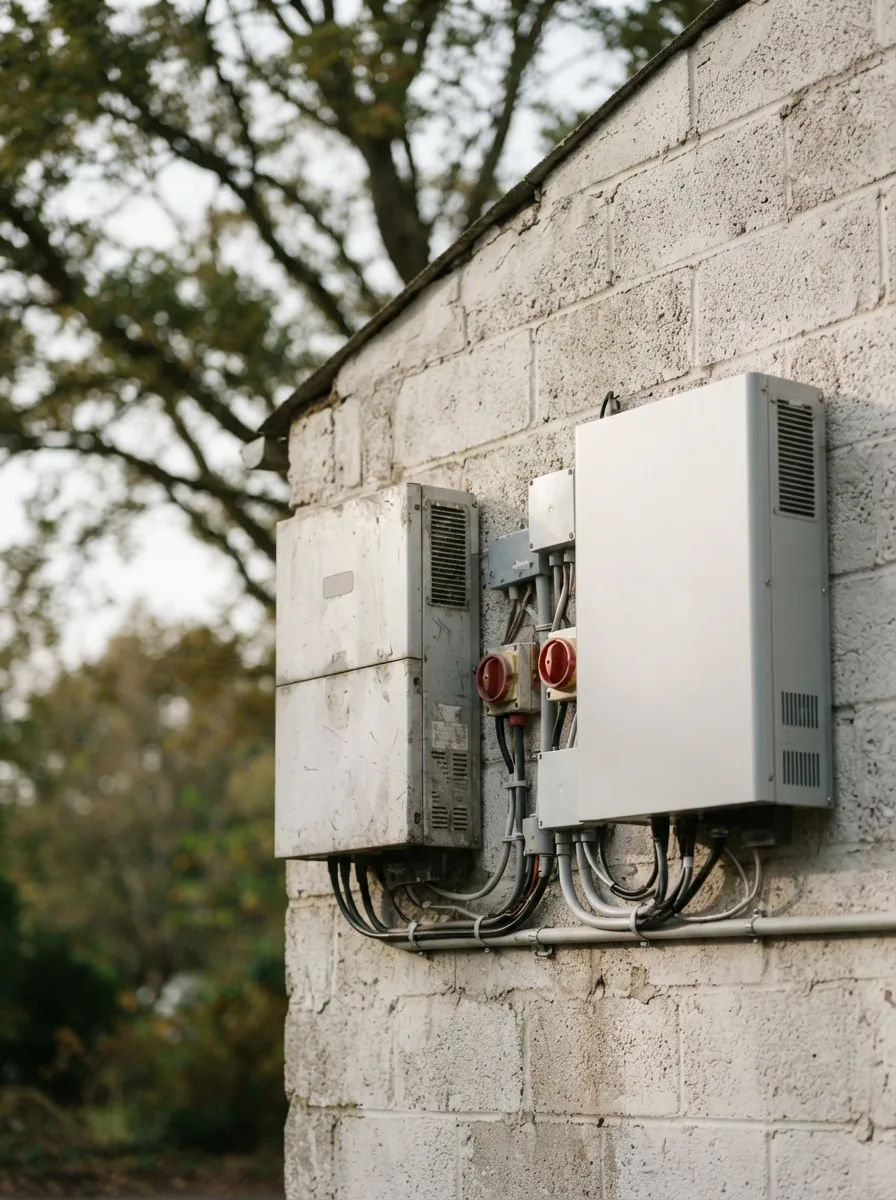
Solar battery upgrades
Adding to or replacing a battery already on your wall, starting with whether the existing inverter and battery will work with the new one.
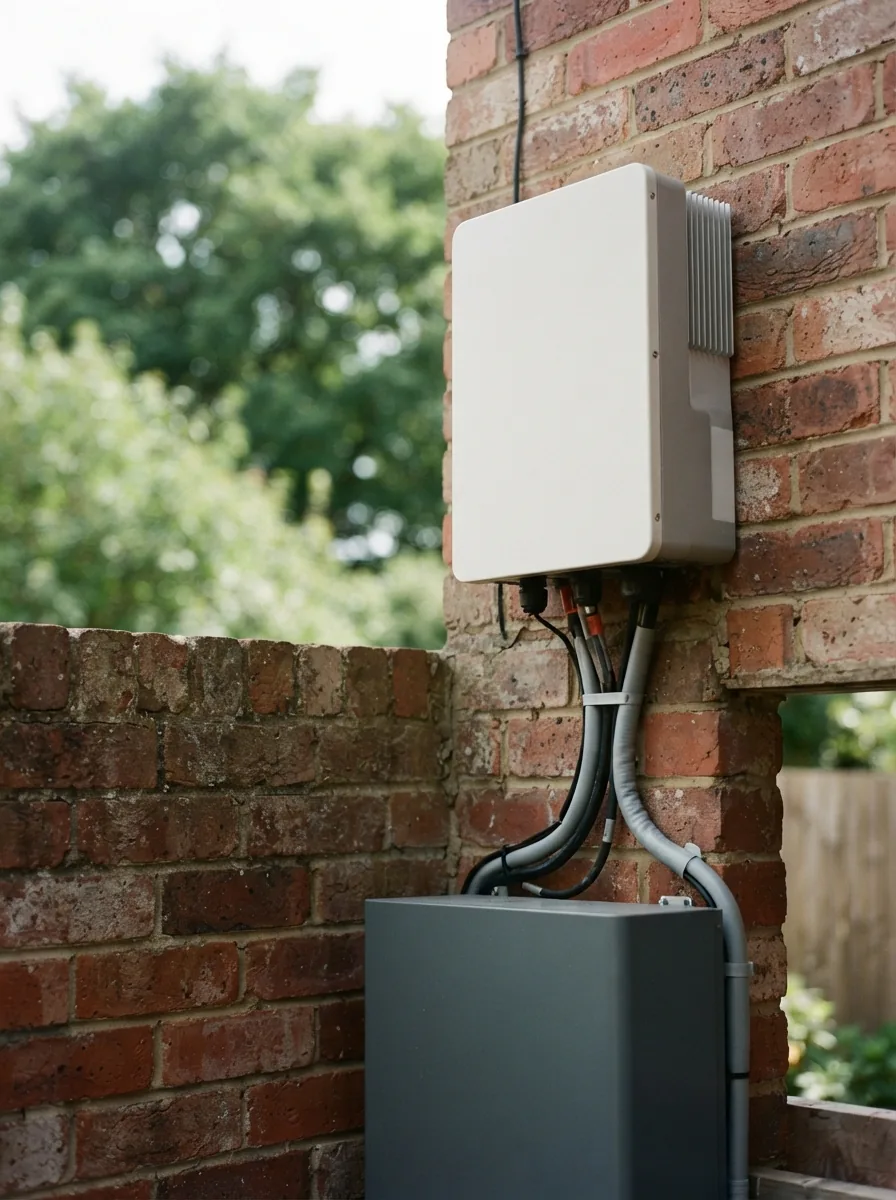
Hybrid solar and battery systems
One inverter handling both the panels and the battery, fitted with a new system or swapped in for an older inverter so the system is ready for a battery.
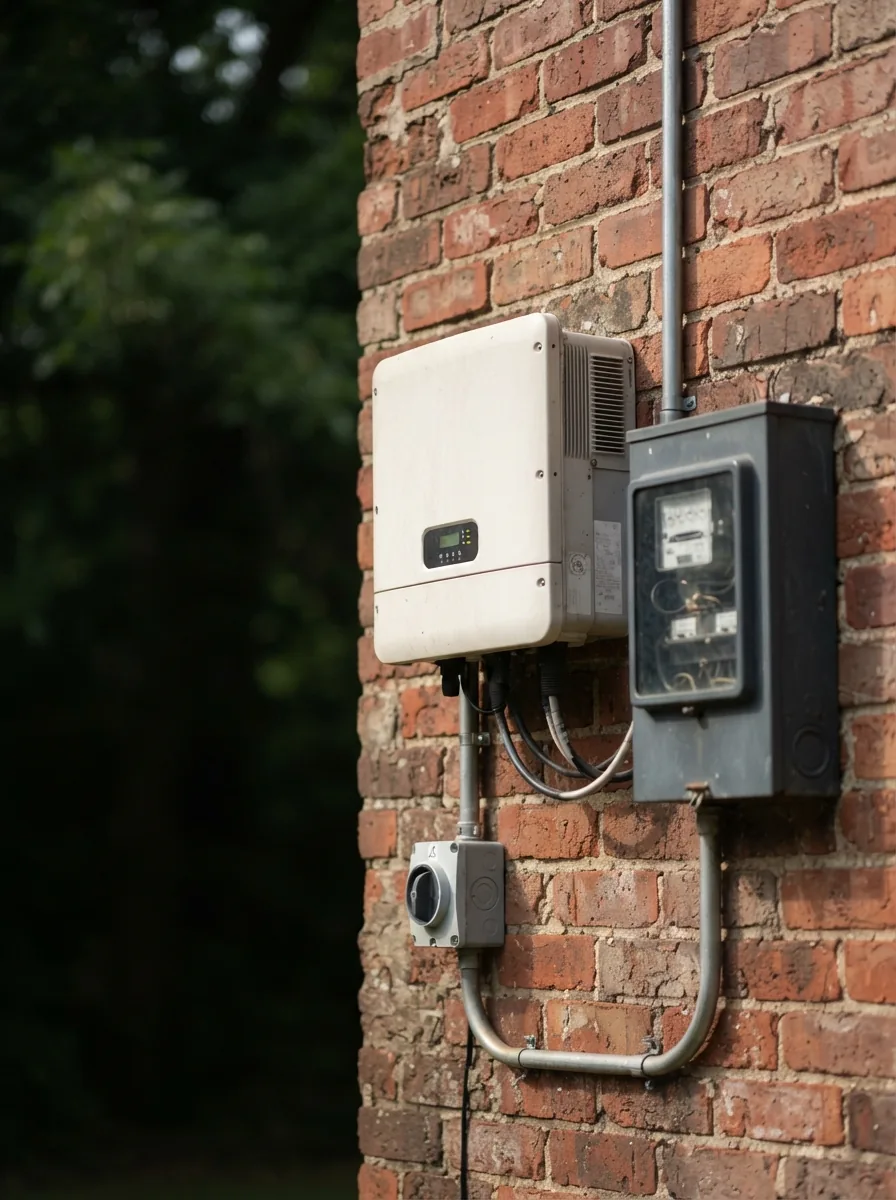
Grid-connected solar systems explained and installed
How a solar system connects to the street supply, covering the Essential Energy application, the meter, export, monitoring and what happens in a blackout.
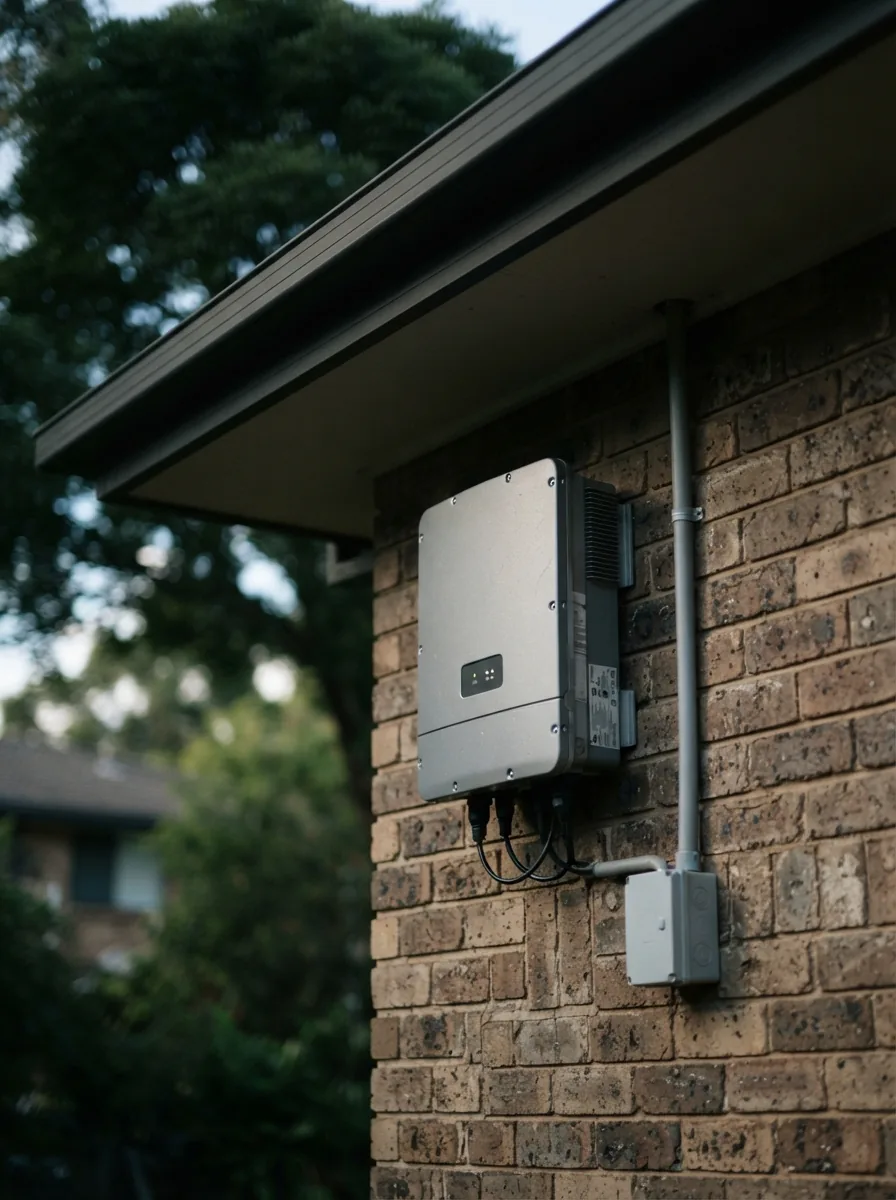
Solar inverter installation
Where the inverter is mounted, with shade, airflow and the distance from the panels and switchboard in mind, then wifi, monitoring and switch-on.
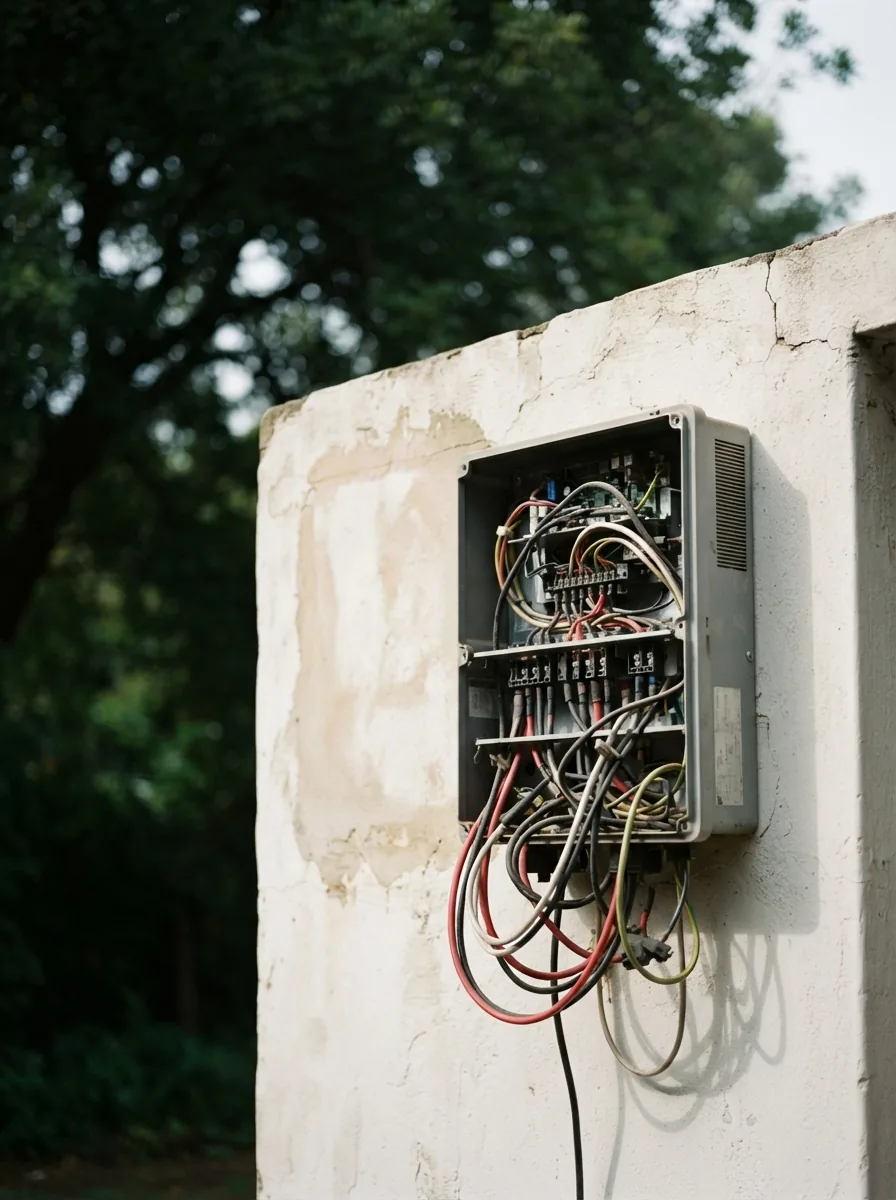
Replacing a failed or old inverter
Swapping out an inverter that has failed or worn out, after checking whether your existing panels and wiring suit the new one, and getting monitoring working again.
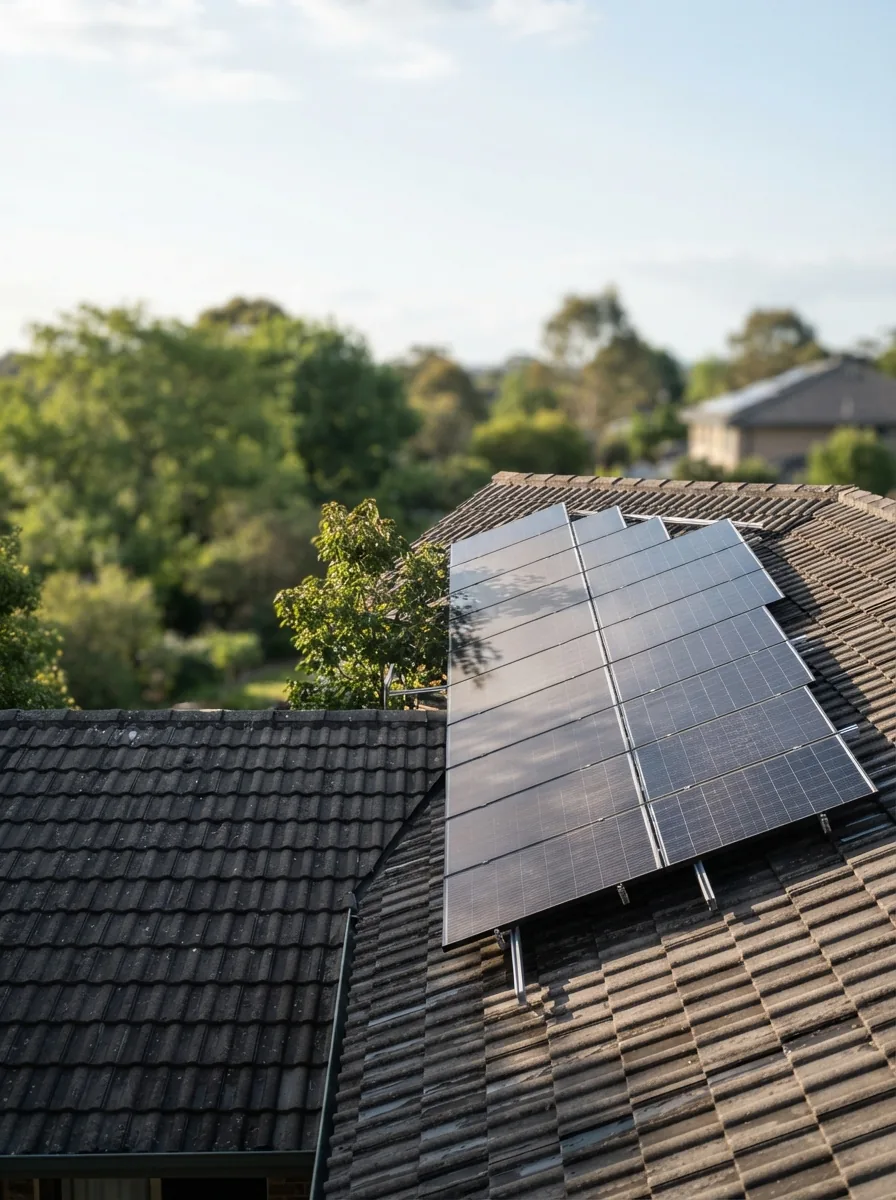
Upgrading a system already on the roof
Adding panels, rearranging a shaded string, replacing tired parts and wiring, and monitoring that shows what an existing system is actually doing.
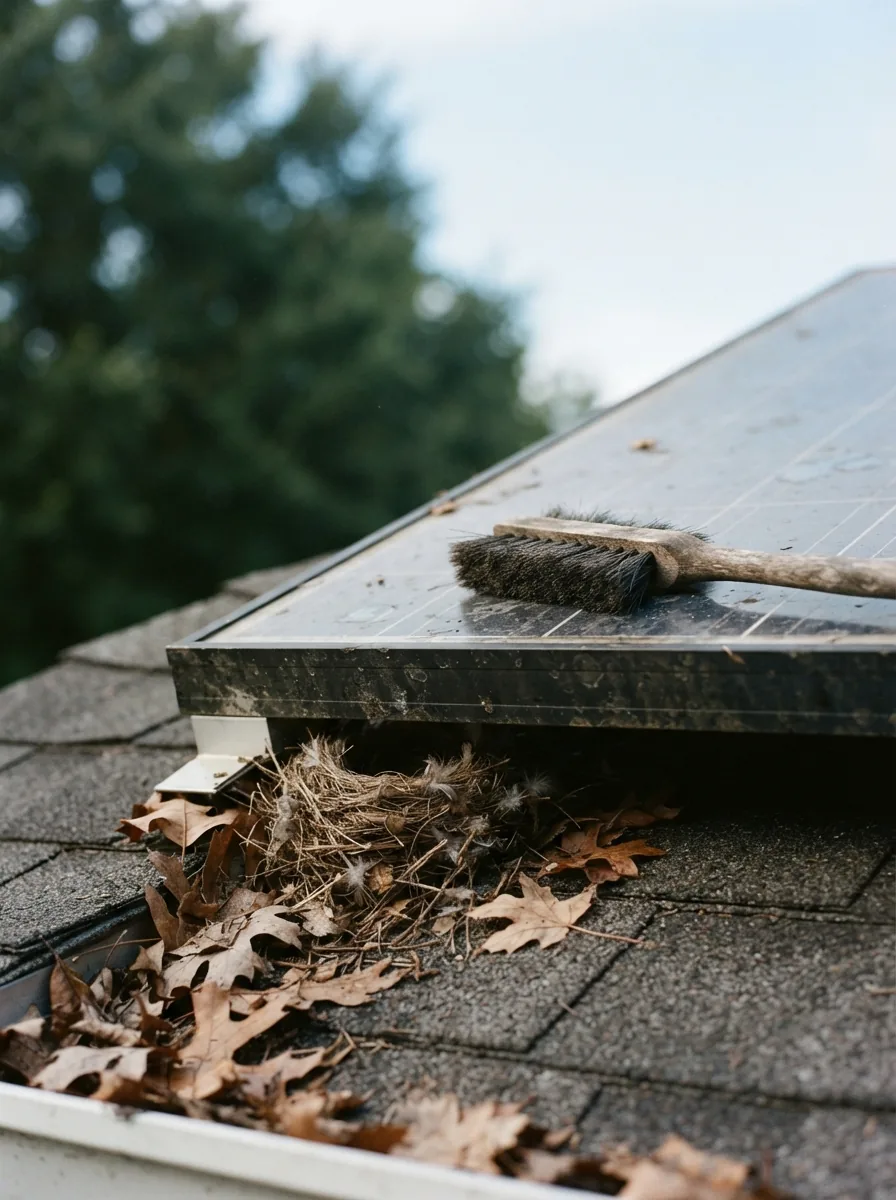
Looking after panels over the years
A visit that cleans the panels and checks the mounts, cabling, isolators and monitoring, and looks for nesting birds and trees that have grown into the shade.
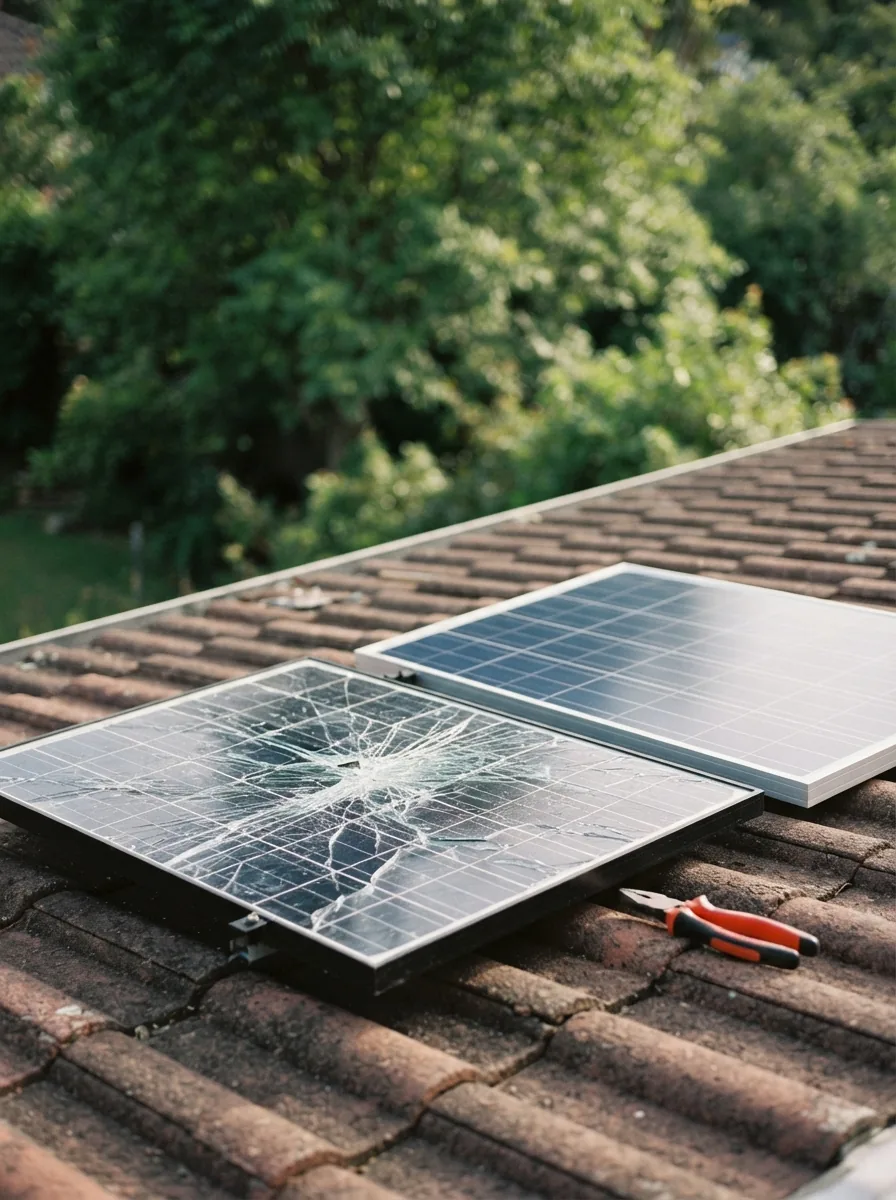
Solar system repairs after a fault is found
Replacing a failed part, mending damaged cabling, swapping a cracked panel and renewing worn isolators and connectors, with the system made safe before any cover comes off.
Solar system fault finding
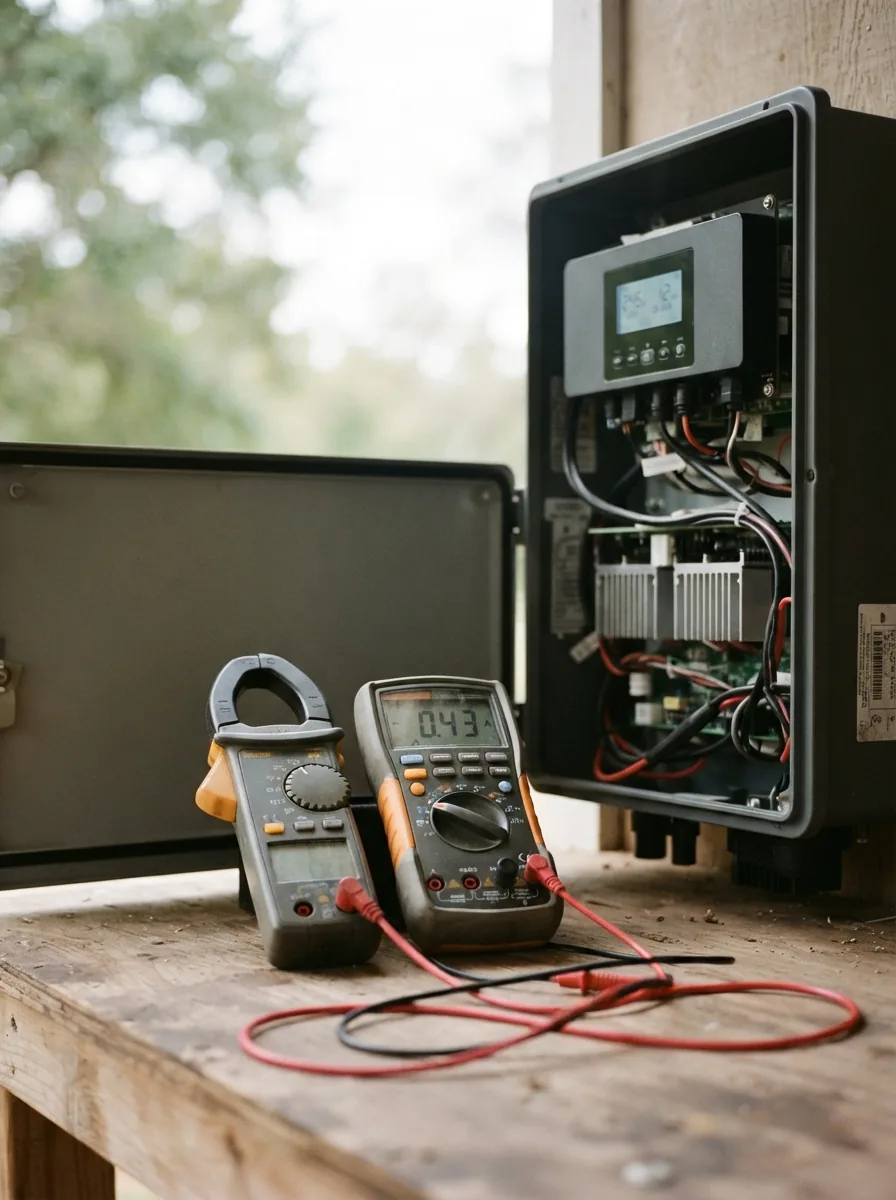
Tracing inverter error codes, output that has dropped and systems that trip or keep switching off, one step at a time, before any part is replaced.
Solar system design before you buy
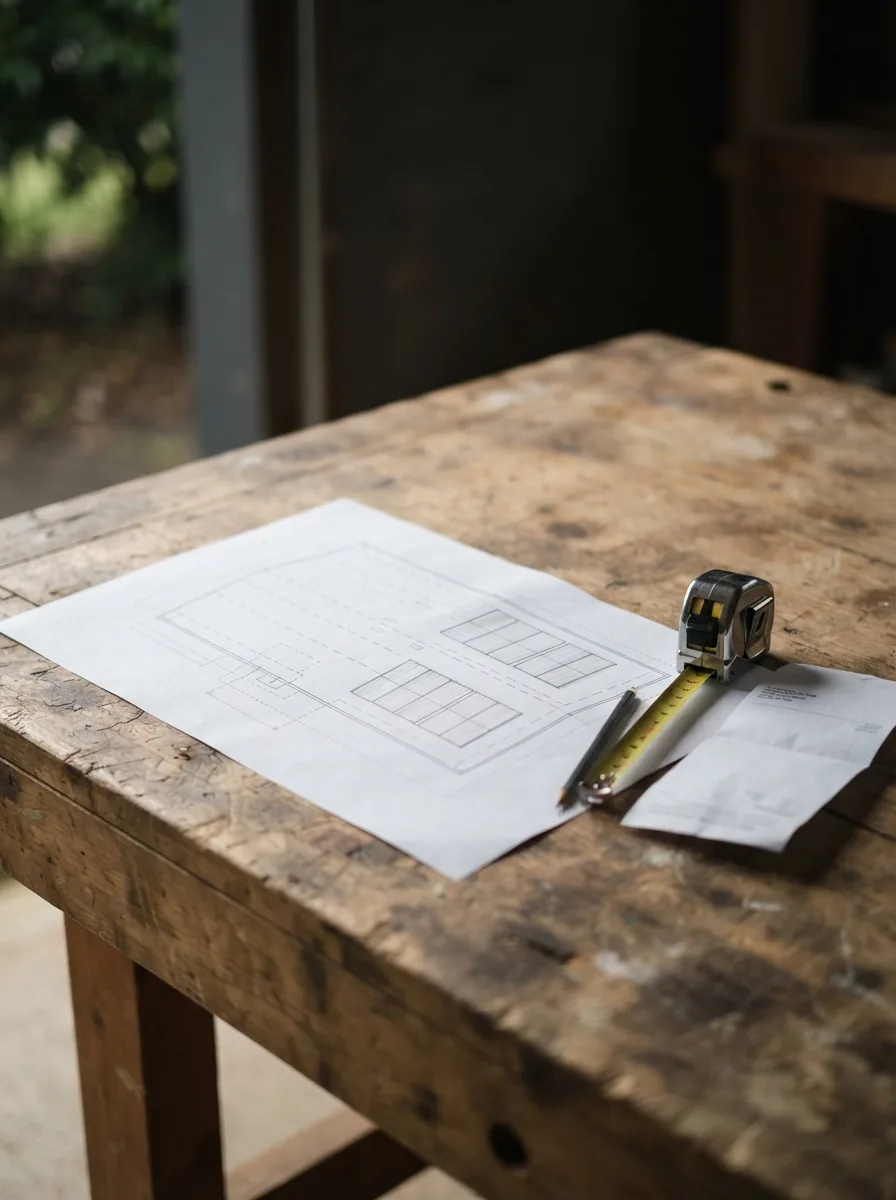
The planning done before anything is bought, from reading your bills and when you use power to shade, panel layout and leaving room for a battery later.
Power for acreage and remote sites
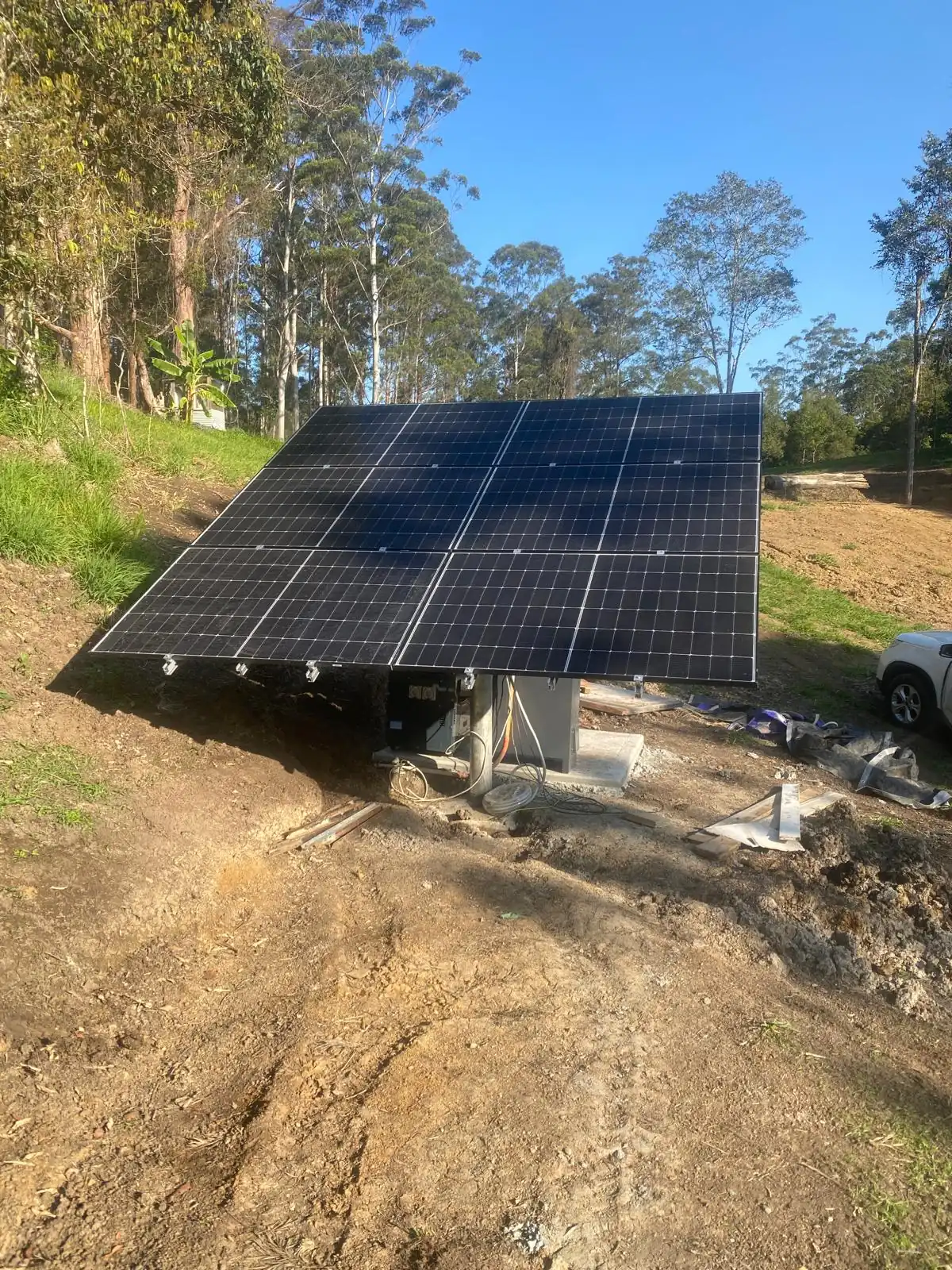
Power for acreage and remote sites in the hills, where the pole is a long way off and water pumps, sheds and gates all need to run.
Electrical work for homes
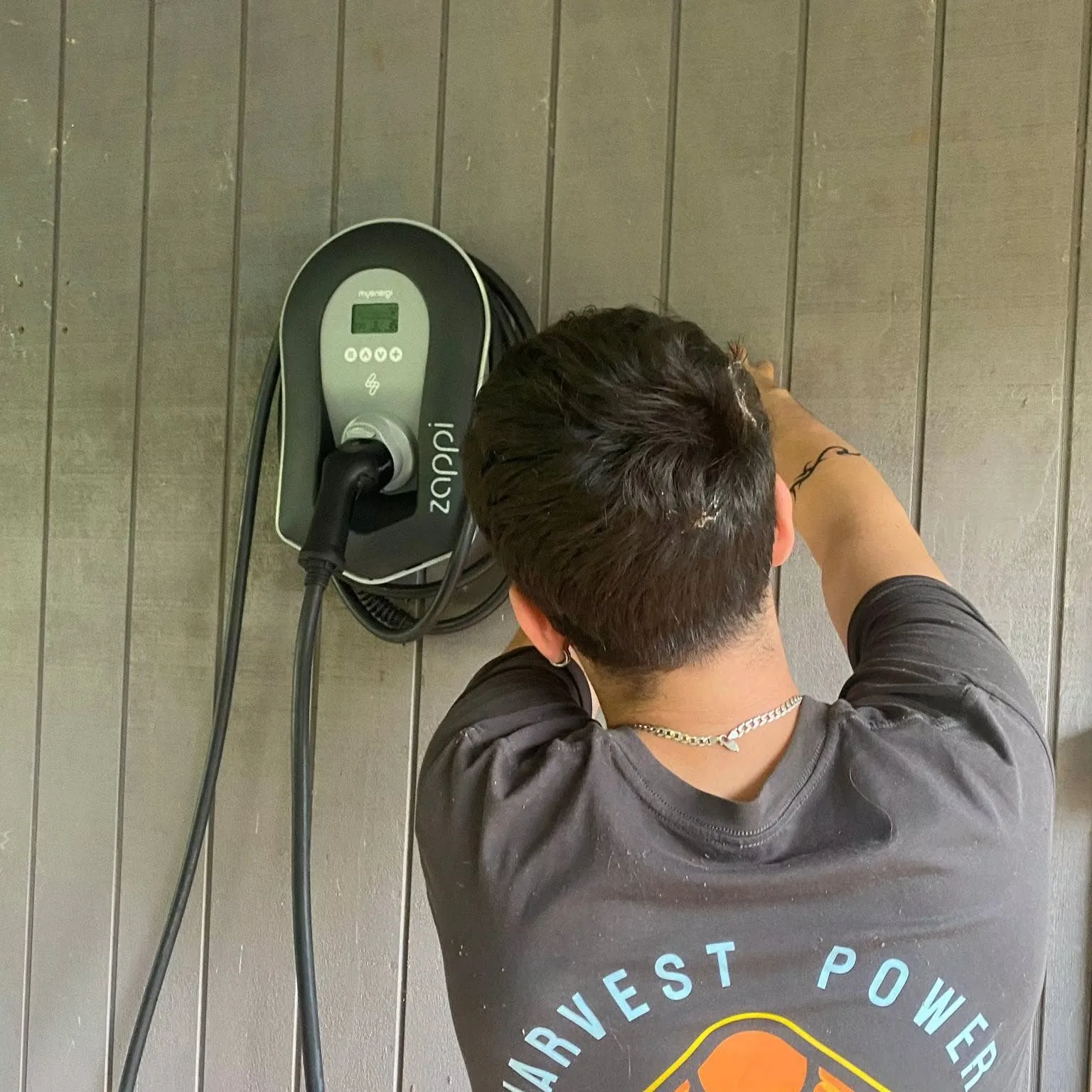
Power points, lighting, ceiling fans, new circuits and tripping safety switches, plus the extra load an EV charger or an extension puts on the board.
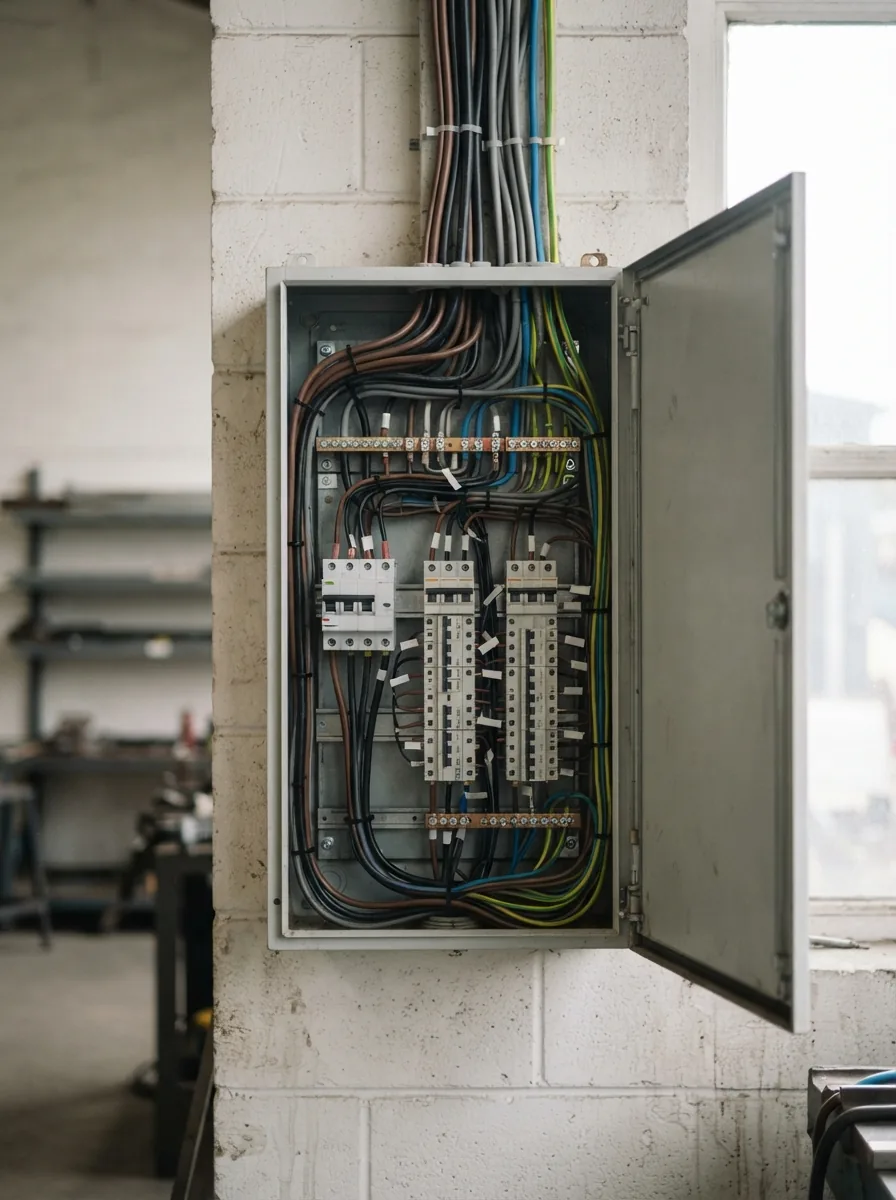
Electrical work for shops, farms and workshops
Distribution boards, three-phase supply, lighting and equipment circuits for shops, workshops, farms and offices, planned around when you trade.
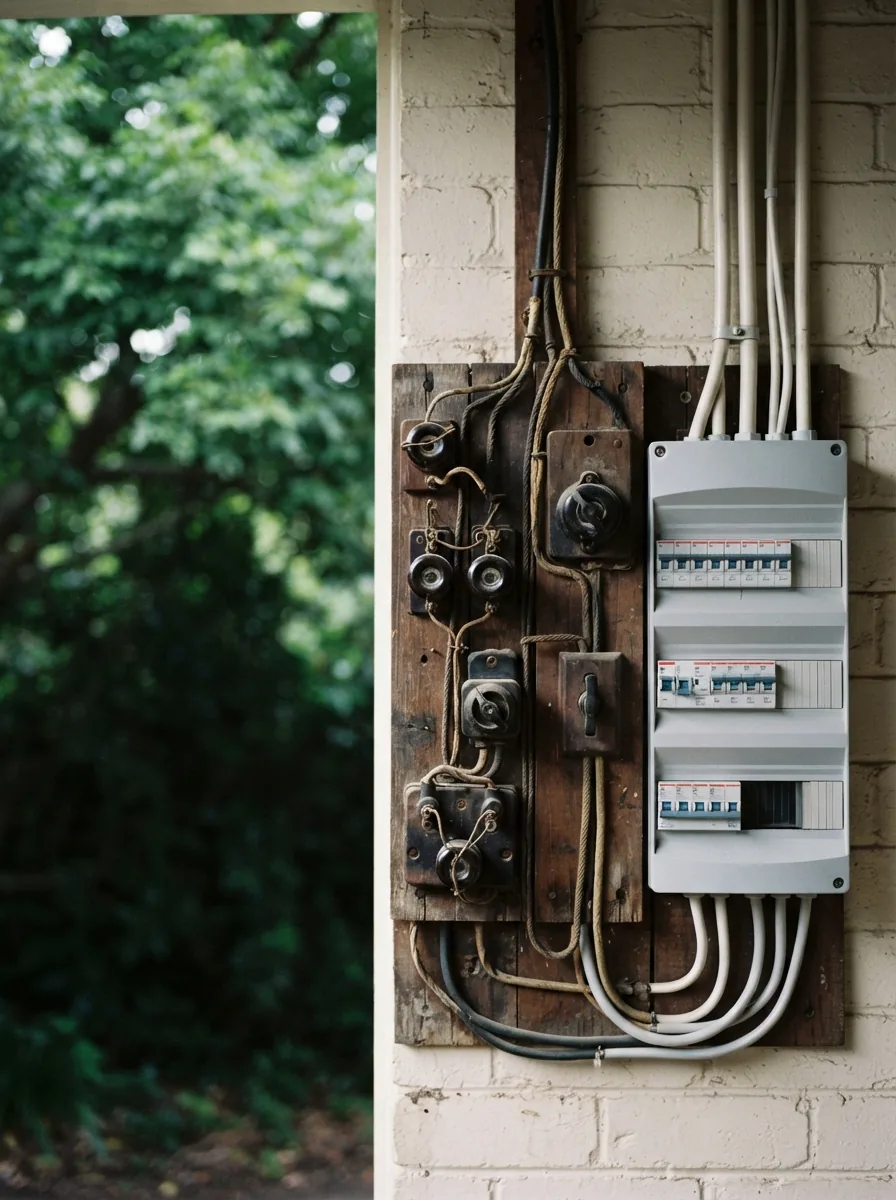
Switchboard upgrades and electrical repairs
Replacing an old, full or fuse-based switchboard, and fixing the worn wiring and failed circuits that show up once the board is open.
How it works
From the first call to switch-on
Tell us what you have
Say what you want done or what is going wrong, and send a photo of the switchboard, the roof or the inverter screen. You do not need the technical names. A description of what you see and when is enough to start.
Get the scope in writing
After the details are checked you receive a written scope of what will be installed or repaired, and what has been left out. If something needs a closer look on site first, you are told that before any decision is made.
The work and the handover
On the day we tell you when the power will be off, do the work, test it and show you how to read what the system is doing. If a part of the job needs a return visit, it is booked before we leave.
Serving Dorroughby and The Surrounding Areas
Where we work
Common questions
Frequently Asked Questions
Which areas do you cover?
The Northern Rivers of New South Wales, from our base at Dorroughby, between Lismore and Byron Bay. Twenty places have their own pages on the service areas page, but they are a starting point rather than a boundary. If you are not sure we reach your address, call and we will check.
Do you answer the phone after hours?
Yes. The phone is answered at any hour, every day, on the number at the top of this page. Call with your address and what you are seeing, and we will tell you what to leave alone and what happens next.
Do you work on farms and businesses as well as homes?
Yes. The work runs from a single house roof to sheds, workshops, shops and farm buildings, on mains power and off it. Tell us what the building is used for and when it is busy, because that decides when the work can happen.
What should I send when I enquire?
A photo of your switchboard with the door open, a photo of the roof or the spot where equipment would go, and a recent power bill if you have one. If you already have a system, add a photo of the inverter and any error on its screen. Photos let us give you straight answers before anyone visits.
Will my solar keep working in a blackout?
A standard grid-connected system switches itself off when the grid goes down, even in full sun, and that is a safety feature. To keep some power on during an outage, the system needs a battery set up with a backup circuit. Which circuits go on that backup is decided with you before the work starts.
Can I add a battery to the solar I already have?
Often yes, but it depends on the inverter you have now and how the system is wired. Some inverters take a battery as it is, and others need replacing or adding to first. Send a photo of the inverter and we will tell you which it is likely to be.
What is the difference between grid-connected, hybrid and off-grid?
A grid-connected system works alongside the street supply and has no battery. A hybrid system uses one inverter to run the panels and a battery together. An off-grid system has no street connection at all, so the panels, battery and a backup generator input carry the whole property.
Can you work on a system someone else installed?
Yes. The first step is finding out exactly what is there, which means opening the switchboard, checking the cabling and reading what the inverter reports. After that we tell you what can stay, what should be repaired and what should be replaced.
Why does my solar system keep switching off or showing an error?
There are many possible causes, from a failing part to a loose connection or a fault on one string of panels. We trace the fault step by step and read the error codes before anything is replaced. Send a photo of the inverter screen and tell us when it happens.
What should I do if I see damage or smell burning near electrical equipment?
Keep clear of it and keep children and pets away. If there is fire or smoke, call emergency services first. Then call us, tell us what you saw and where, and leave the equipment alone until it has been checked.
Will the power go off while you work?
For most solar, battery and switchboard jobs the power is switched off for part of the day. We tell you when it will go off before we start, so you can plan around fridges, medical equipment and anything else that needs to keep running. Ask about it when you book.
Do you work on properties with no mains power?
Yes. Off-grid work starts with a list of what you run and when, because that decides the size of the panels, the battery and the inverter. We also look at the site itself, including shade, access and how far the equipment sits from the house.
Need power or solar help now?
Request Your Solar and electrical Quote in Dorroughby
Tell us what you are seeing and where. You will get a straight answer about what it is likely to be and what to leave alone until we get there.
0417 415 47424 hours a day, 7 days a week
Not urgent? Send us the job instead